In between – Interview with Hannah Köchy
Hannah Köchy is a Textile Designer based in Bremen. She understands textiles not merely as a material, but as a medium for shaping transitions between reality, memory, imagination and physical experience.
You describe your practice as working at the intersections of textiles, objects, space, and subjective perception. How do you understand the relationship between these elements in your work?
I think for me these things aren’t really separate. They kind of overlap all the time. Textiles, objects, and space are more like different ways to approach perception. I’m mostly interested in how they influence each other and how that changes the way you experience something.
What changes when textile thinking moves into space rather than fabric alone?
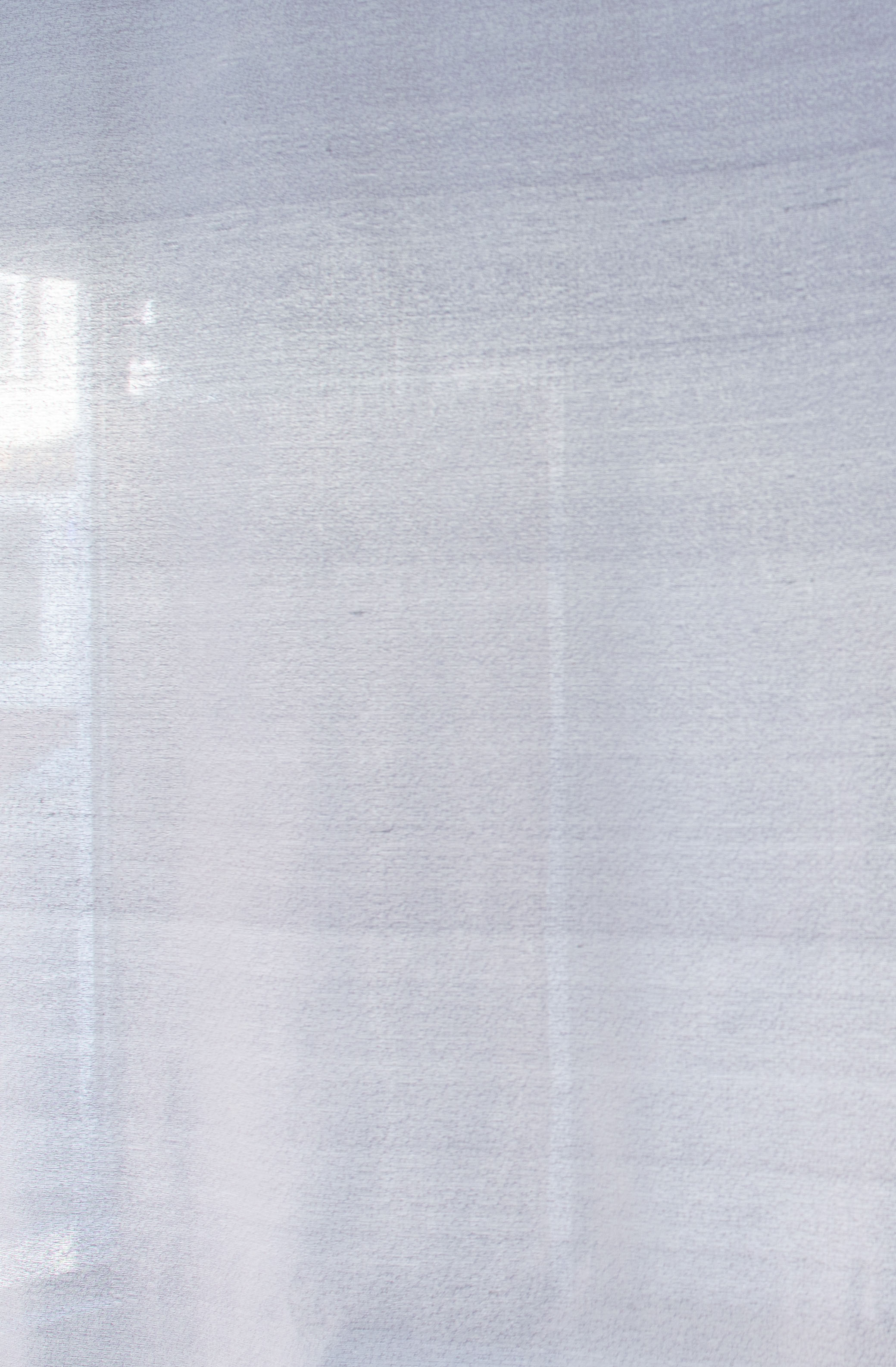
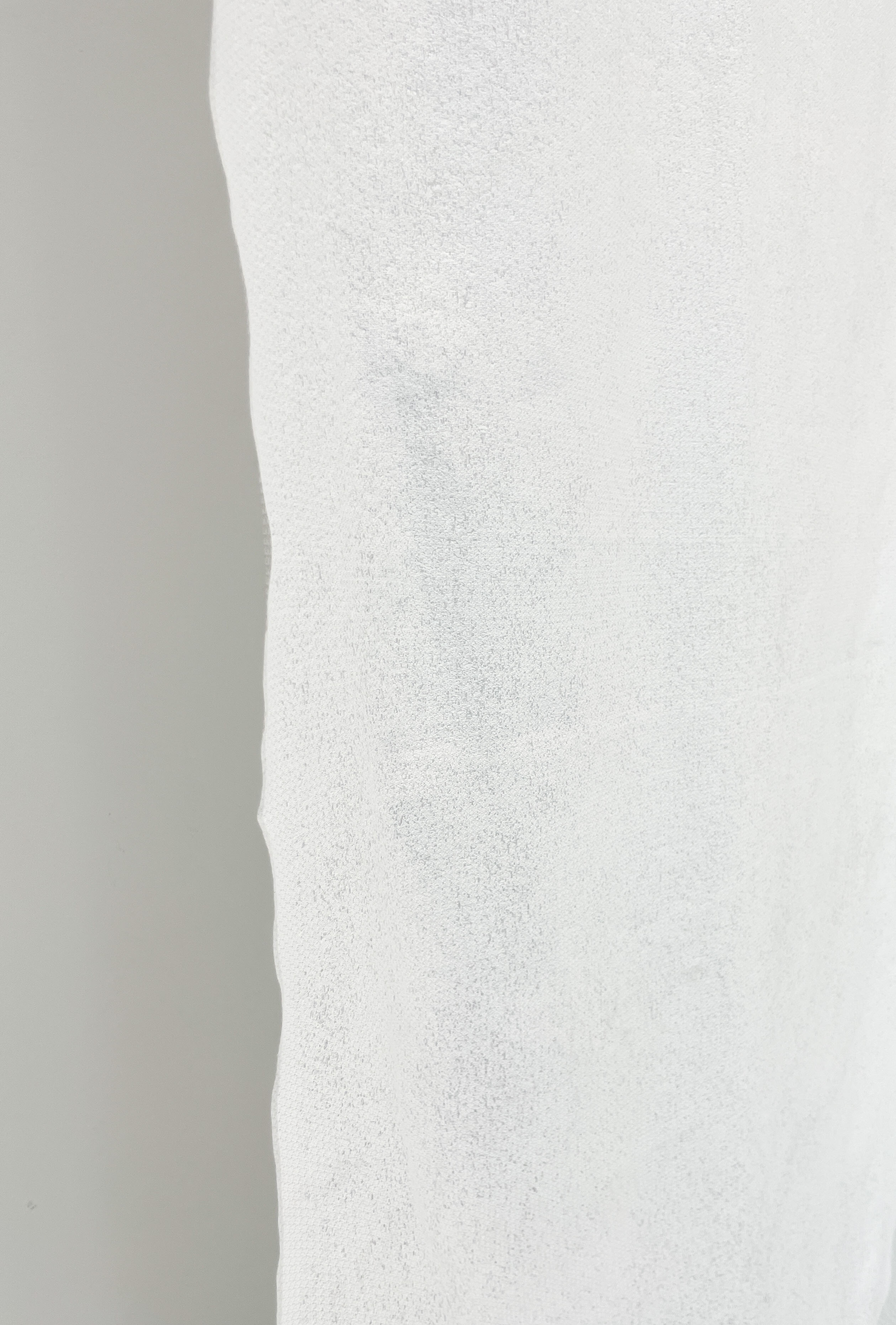
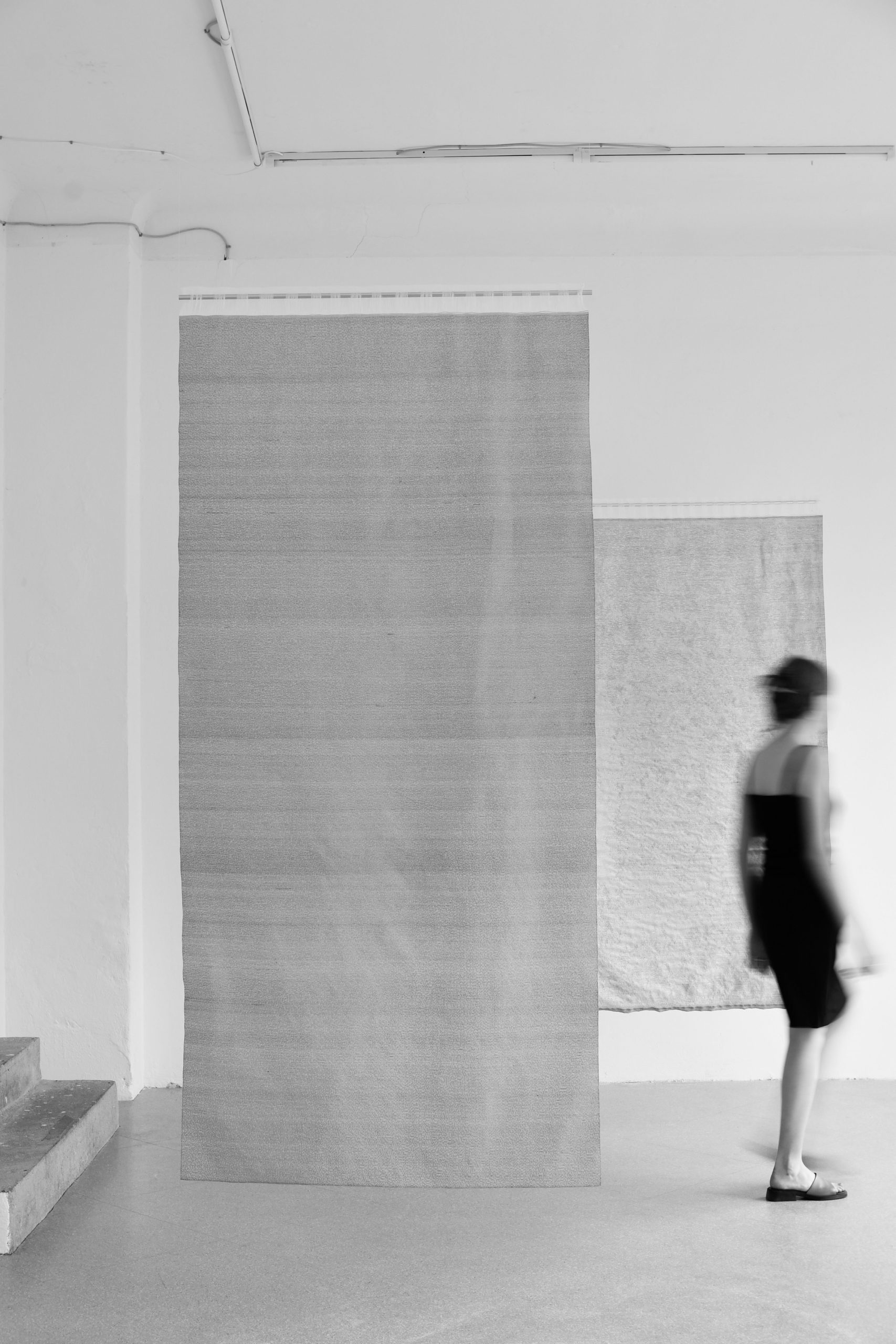
I guess it becomes less about the material itself and more about how something feels in space. It’s not just a surface anymore. It turns into something atmospheric, something you move through. That shift is actually what interests me the most.
Your work often begins where language reaches its limits. How do you recognize that moment in your process?
It’s usually quite intuitive. There’s a moment where I notice I can’t really describe what I mean properly anymore. The words just don’t feel precise enough. And then I start to work more with material, light, or space instead.
A central interest in your practice is how subjective perception emerges. Do you see perception as something stable, or something constantly shifting?
I would definitely say it’s shifting. It depends so much on context, mood, memory… all of that. So for me it’s never something fixed. It always changes, even in really small ways.
You mention phenomena that are difficult to grasp physically. What makes these “in-between” or intangible experiences so compelling for you?
I think it’s exactly that they’re not fixed. You can’t really define them properly, but you still experience them. That openness is what interests me, because it leaves space for interpretation and personal perception.
Your installations invite indirect interaction and observation rather than direct participation. What role does distance or observation play in shaping perception?
I think distance changes how attentive you are. You’re not trying to do something actively, you’re more in a observing position. And that can actually make you more aware of your own perception while you’re looking.
You are interested in breaking everyday perceptual patterns. What is a recent example where you personally experienced such a shift in perception?
It’s often really small things, like light changing a space completely. A place you think you know suddenly feels different just because something in the atmosphere shifts. And then you realize how unstable perception actually is.
AUTHOR Lena Schnurbusch
PUBLISHED 5 JUN 26
FEATURED IMAGE Lynn Gerstmair